
Understanding FPV Drone Fundamentals
FPV vs. Traditional Drones: Core Differences
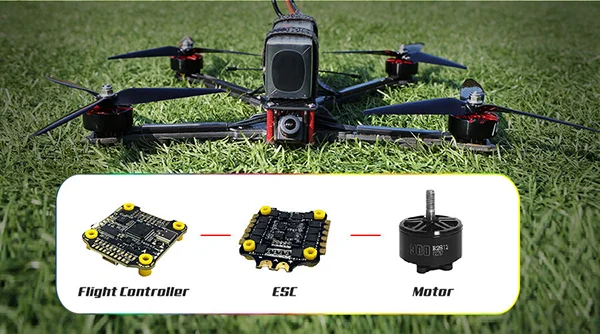
FPV (First-Person View) drones offer a distinctive flight experience that differs significantly from traditional drones. While traditional drones are controlled visually from the ground, FPV drones provide an immersive experience by transmitting live video feed to the pilot’s goggles or screens. This enables users to fly as though they’re aboard the drone itself, transforming perspectives and elevating the flying experience. Key differences lie in the control mechanisms and usage; FPV drones are celebrated for their responsiveness and direct control, making them ideal for racing and freestyle flying. Unlike traditional drones that are apt for beginners and general photography, FPV drones attract enthusiasts who relish the thrill and precision of advanced maneuvers and fast-paced flights.
How First-Person View Technology Works
First-Person View (FPV) technology operates through a complex system of cameras and signal transmission to deliver real-time video to the pilot. This integration begins with high-definition cameras mounted on the drone capturing live data, which is then transmitted via radio frequency or digital systems to the pilot’s display, typically goggles or a screen. Among the challenges faced by FPV technology, latency is a key concern; however, advancements have significantly minimized these issues, providing smoother and more immediate feedback. Today, enhanced signal technology ensures that pilots can receive real-time images with minimal delay, allowing for precise control and a highly immersive flying experience.
Racing Drones: Speed and Precision
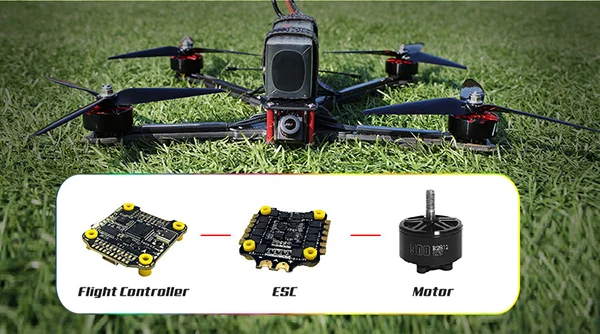
Racing drones are uniquely designed for speed and precision, setting them apart in the FPV community. These drones feature lightweight frames and powerful motors, contributing to their exceptional speed and agility. The competitive nature of drone racing pushes enthusiasts to constantly optimize their drone’s performance, whether through adjusting motor configurations or refining control systems. Popular leagues, such as the Drone Racing League (DRL), have amplified interest and participation in this thrilling sport, demonstrating the exhilarating potential of FPV racing drones. The distinction of these races lies in rapid maneuvers, making each contest a spectacle of skill and technology.
Freestyle FPV Drones: Aerial Acrobatics
Freestyle FPV drones are designed for complex maneuvers, allowing pilots to express their creativity through aerial acrobatics. These drones shine in community events and platforms where pilots showcase their talents in gravity-defying stunts. The freestyle drone culture fosters creativity, with many pilots gaining recognition for their innovative flight paths and video content. Notable pilots such as Johnny Schaer, alias “Johnny FPV,” contribute significantly to this community by pushing the limits of what’s possible with these drones, capturing stunning visuals that inspire others to explore the art of freestyle flying.